What is Sustainable Packaging and Why Does It Matter?
Have you ever wondered how much packaging waste ends up in landfills every day? From online shopping boxes to food wrappers, packaging is everywhere — but not all packaging is good for the environment. As businesses and consumers become more eco-conscious, sustainable packaging is no longer just a trend. It has become a necessity.
Today, brands are actively looking for smarter ways to reduce packaging waste, lower their environmental impact, and use eco-friendly packaging materials that support a cleaner future. But what exactly is sustainable packaging, and why is it so important for businesses and consumers alike?
In this guide, we’ll explore the meaning of packaging sustainability, the different types of green packaging, its benefits, challenges, and how businesses can adopt better packaging practices.
Key Takeaways
- Sustainable packaging helps reduce environmental impact by using recyclable, biodegradable, reusable, and renewable packaging materials.
- Businesses are increasingly adopting eco-friendly packaging to reduce packaging waste, lower carbon emissions, and meet customer expectations.
- Common types of sustainable packaging include recyclable packaging, biodegradable packaging, compostable packaging, reusable packaging, and recycled-content packaging.
- Sustainable packaging supports circular economy goals by encouraging reduce, reuse, and recycle packaging practices.
- While sustainable packaging may involve higher initial costs, it offers long-term benefits such as improved brand reputation, reduced waste, better customer trust, and operational savings.
What is Sustainable Packaging?
Sustainable packaging refers to packaging solutions designed to minimize environmental impact throughout the entire packaging lifecycle. This includes sourcing raw materials, manufacturing, transportation, usage, recycling, and disposal.
In simple terms, packaging sustainability means creating packaging that is:
- Recyclable
- Reusable
- Biodegradable
- Compostable
- Made from renewable or recycled packaging materials
- Energy-efficient to produce and transport
The goal is to reduce waste, conserve natural resources, and support a circular economy packaging system where materials can be reused instead of discarded after one use.
Traditionally, the meaning of packaging was simply to protect products during storage and shipping. While protection remains essential, modern environmental packaging also focuses on reducing carbon emissions and minimizing waste.
Why Sustainable Packaging is Important
Why is packaging important in today’s world? The answer goes beyond product protection.
The environmental impact of packaging has become a global concern because excessive plastic and non-recyclable materials contribute heavily to pollution and landfill waste. Read Packaging Waste Impact Report.
Here’s why sustainable packaging matters:
Reduces Environmental Damage
Eco friendly packaging helps reduce pollution, greenhouse gas emissions, and landfill overflow. Sustainable materials often require fewer resources and generate less waste.
Supports Packaging Waste Reduction
One of the biggest goals of green packaging is to reduce packaging waste through smarter designs and reusable or recyclable packaging materials.
Meets Consumer Expectations
Modern consumers prefer brands that care about sustainability. Businesses using eco-friendly packaging often build stronger trust and customer loyalty.
Encourages Circular Economy Practices
Circular economy packaging promotes the “reduce, reuse, recycle” model by keeping packaging materials in use for as long as possible.
Lowers Carbon Footprint
Lightweight and renewable packaging materials can significantly reduce the carbon footprint of packaging during production and transportation.
What Are the Types of Sustainable Packaging?
There are several types of packaging solutions businesses can use to improve sustainability.
Recyclable Packaging
Recyclable packaging materials can be processed and reused to create new products. Common examples include:
- Cardboard boxes
- Paper packaging
- Aluminum cans
- Certain plastic containers
- Glass packaging
Recyclable packaging helps reduce landfill waste and conserves raw materials.
Biodegradable Packaging
Biodegradable packaging materials naturally break down over time through microorganisms without leaving harmful residues.
Common biodegradable packaging examples include:
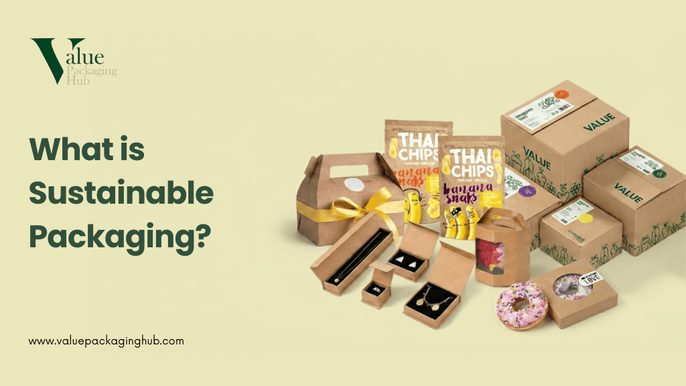
- Kraft paper
- Cornstarch packaging
- Bamboo packaging
- Mushroom-based packaging
These materials are commonly used in food and ecommerce packaging.
Compostable Packaging
Compostable packaging goes one step further by decomposing into nutrient-rich compost under proper conditions.
Examples include:
- Plant-based mailers
- Compostable food containers
- Sugarcane fiber packaging
This is especially useful for food and beverage industries.
Reusable Packaging
Reusable packaging for ecommerce and retail allows customers to use packaging multiple times instead of discarding it after a single use.
Examples include:
- Refillable containers
- Reusable shipping boxes
- Cloth shopping bags
- Returnable delivery packaging
Reusable systems for retail packaging help businesses reduce packaging waste significantly.
Recycled-Content Packaging
This packaging is made using recycled packaging materials such as recycled paper, cardboard, or plastic.
Using recycled materials reduces the demand for virgin resources and lowers environmental impact.
Explore sustainable packaging solutions at Value Packaging Hub
What Materials Are Used in Sustainable Packaging?
Businesses today have access to many eco friendly packaging materials that are both functional and environmentally responsible.
Some popular sustainable packaging materials include:
- Recycled cardboard
- Kraft paper
- Corrugated board
- Glass
- Aluminum
- Bamboo
- Plant-based plastics
- Cornstarch packaging
- Mushroom packaging
- Organic fabrics
Choosing the right packaging materials depends on the product type, shipping requirements, and sustainability goals.
For example, ecommerce ready packaging often uses lightweight corrugated cardboard to reduce shipping emissions while still protecting products.
What Are the Benefits of Sustainable Packaging?
The benefits of packaging sustainability go beyond environmental protection.
Better Brand Reputation
Consumers are increasingly supporting brands that prioritize sustainability. Green packaging can improve customer perception and trust.
Cost Savings Over Time
Although some sustainable materials may cost more initially, businesses often save money through reduced material use, lighter shipping weights, and lower waste management costs.
Reduced Environmental Impact
Sustainable packaging reduces pollution, lowers energy consumption, and supports responsible waste management.
Improved Customer Experience
Customers appreciate thoughtful and environmentally responsible packaging designs.
Compliance with Regulations
Many countries are introducing stricter environmental regulations regarding packaging waste and plastic use. Sustainable packaging helps businesses stay compliant.
What Are the Challenges of Sustainable Packaging?
Despite its advantages, sustainable packaging also comes with challenges.
Higher Initial Costs
Some eco-friendly packaging materials can be more expensive than traditional options, especially for small businesses.
Limited Material Availability
Certain renewable packaging materials may not be readily available in all regions.
Recycling Limitations
Not all recyclable packaging materials are accepted by every recycling facility, which can create confusion for consumers.
Performance Concerns
Some biodegradable packaging materials may not provide the same durability or moisture resistance as traditional plastics.
However, advancements in packaging technology continue to improve performance and affordability.
Is Sustainable Packaging More Expensive?
This is one of the most common questions businesses ask.
Initially, sustainable packaging may seem more expensive due to material costs and supply chain adjustments. However, long-term savings often offset those costs through:
- Reduced material usage
- Lower shipping costs
- Improved customer loyalty
- Reduced waste management expenses
- Better operational efficiency
As demand for eco-friendly packaging grows, sustainable solutions are also becoming more affordable and accessible.
Conclusion
Sustainable packaging is more than just environmentally friendly wrapping — it represents a smarter and more responsible approach to business operations. As concerns about pollution, waste, and climate change continue to grow, businesses must rethink how products are packaged and delivered.
From recyclable packaging materials to reusable packaging for ecommerce, sustainable solutions help reduce environmental impact while improving customer trust and brand reputation.
Whether you are a small ecommerce store or a large manufacturer, adopting packaging sustainability practices can help future-proof your business while contributing to a cleaner planet. Contact our team today for a personalized quote of custom packaging.
Frequently Asked Questions
What is sustainable packaging?
Sustainable packaging refers to packaging designed to reduce environmental impact through recyclable, reusable, biodegradable, or renewable materials.
What materials are used in sustainable packaging?
Common eco-friendly packaging materials include recycled cardboard, paper, bamboo, glass, aluminum, cornstarch packaging, and biodegradable plant-based materials.
Is sustainable packaging more expensive?
While initial costs may sometimes be higher, sustainable packaging can reduce long-term expenses through lower shipping costs, reduced waste, and improved efficiency.
How can businesses reduce packaging waste?
Businesses can reduce packaging waste by using recyclable materials, minimizing excess packaging, adopting reusable packaging systems, and optimizing package sizes for shipping.
Why is packaging important for sustainability?
Packaging plays a major role in product protection, waste management, transportation efficiency, and environmental impact. Sustainable packaging helps reduce pollution and supports circular economy goals.